Plumbing has long been considered a crucial yet traditional aspect of home and commercial maintenance. However, in recent years, the plumbing industry has seen a technological transformation, driven by advances in tools, techniques, and innovations that are changing the way plumbing services are provided. From diagnostic tools to smart home integration, technology is playing a vital role in modernizing plumbing services, improving efficiency, reducing costs, and providing better solutions for customers. This article explores the ways in which technology is revolutionizing plumbing and what it means for homeowners and businesses.
1. Advanced Diagnostic Tools
Traditionally, diagnosing plumbing issues often required guesswork or invasive methods like tearing down walls or digging up pipes. This was not only time-consuming but could also lead to unnecessary damage to your property. Today, advanced diagnostic tools such as video cameras, ultrasonic sensors, and thermal imaging cameras are changing the way plumbers detect and address issues.
For instance, video camera inspections involve inserting a small camera into pipes to capture real-time footage of blockages, cracks, or corrosion. This technology allows plumbers to identify the root cause of the problem without unnecessary disruption. Thermal imaging cameras can detect hidden leaks behind walls or under floors by revealing temperature differences. These innovations help plumbers pinpoint issues more accurately, reduce the need for invasive repairs, and save homeowners time and money by avoiding costly guesswork.
2. Smart Plumbing Technology
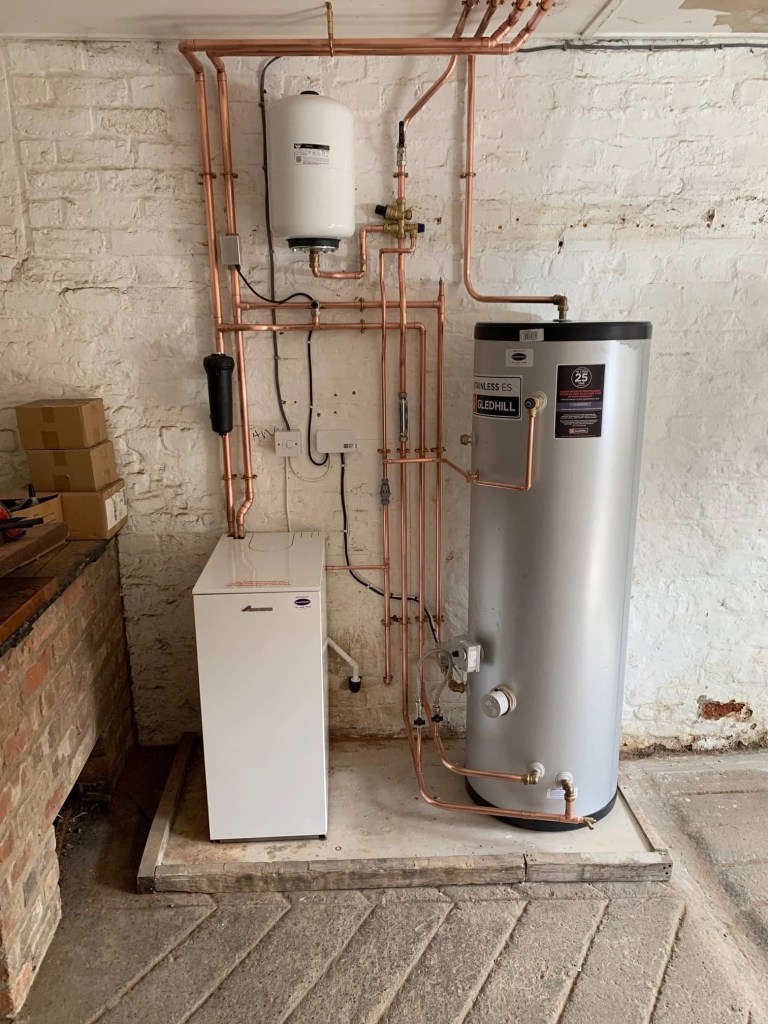
Smart home devices are becoming increasingly popular, and plumbing systems are no exception. Smart plumbing technology allows homeowners to monitor and control their plumbing systems remotely through their smartphones, tablets, or computers. These devices can provide real-time data on water usage, water pressure, and even detect potential leaks or pipe issues before they become serious problems.
One example of smart plumbing technology is a water leak detection system, which uses sensors to monitor pipes and plumbing fixtures for leaks. If a leak is detected, the system can alert the homeowner via a mobile app, allowing them to take immediate action to prevent water damage. Some systems can even shut off the water supply automatically to avoid flooding.
Another example is smart water heaters, which allow homeowners to control the temperature and schedule heating times remotely. These systems are designed to be more energy-efficient and can help reduce utility costs by ensuring that water is heated only when needed. Smart plumbing systems make it easier for homeowners to keep track of their plumbing and improve overall efficiency.
3. Hydro-Jetting Technology
Clogged drains are one of the most common plumbing issues homeowners face, and in the past, plumbers often had to rely on manual methods like snaking or plunging to clear blockages. While these techniques can be effective, they sometimes fail to remove deep-seated blockages or debris, leading to recurring problems.
Hydro-jetting is a high-pressure water-based technology that is increasingly used by plumbers to clear stubborn clogs and debris from pipes. The process involves using a specialized hose with a high-pressure nozzle to shoot a powerful stream of water through the pipes, effectively clearing blockages and cleaning the interior walls of the pipes. This technology not only eliminates clogs but also helps maintain the integrity of the pipes, preventing future issues and reducing the need for frequent maintenance.
Hydro-jetting is an eco-friendly, non-invasive solution that can clear years of accumulated grease, tree roots, and mineral deposits. It also reduces the need for chemical drain cleaners, making it a safer and more sustainable option for homeowners.
4. Trenchless Technology
One of the most disruptive innovations in modern plumbing is trenchless technology, which has revolutionized the way plumbers perform pipe repairs and replacements. In traditional plumbing repairs, pipes are often dug up from the ground or behind walls, causing extensive damage to landscaping, flooring, or walls.
Trenchless technology, however, allows plumbers to repair or replace damaged pipes without the need for digging. This is accomplished through methods such as pipe bursting and pipe lining. Pipe bursting involves breaking up the old pipe with a specialized tool and pulling a new pipe into place, while pipe lining involves inserting a liner into the existing pipe to create a new, durable pipe inside the old one.
Trenchless technology significantly reduces the time, labor, and disruption involved in pipe repairs or replacements, making it a popular option for homeowners and businesses looking to minimize property damage and downtime. It is particularly useful for replacing old pipes in hard-to-reach areas, such as under driveways, sidewalks, or inside walls.
5. 3D Mapping and Modeling
For larger plumbing projects, such as new constructions or extensive plumbing system installations, technology like 3D mapping and modeling is becoming an indispensable tool. Plumbers and contractors use advanced software to create detailed models of plumbing systems before installation begins. These models can show the optimal layout for pipes, fixtures, and fittings, as well as predict potential problems.
3D mapping allows plumbers to plan installations with a high level of precision, ensuring that plumbing systems are efficient and compliant with building codes. It also helps identify any potential design flaws before physical work begins, reducing the likelihood of costly changes or rework. This technology ensures that plumbing systems are installed in the most efficient and effective way possible, saving time and resources during the construction process.
6. Water Treatment and Filtration Systems
As concerns over water quality and contamination continue to grow, water treatment and filtration systems are becoming more advanced. Plumbers now have access to cutting-edge filtration technology that provides cleaner, healthier water for homes and businesses.
From whole-house filtration systems to under-sink water purifiers, modern water treatment technology allows plumbers to recommend and install solutions tailored to the specific needs of a home or business. These systems are designed to remove impurities such as chlorine, lead, sediment, and bacteria, improving the taste, safety, and overall quality of the water.
Some filtration systems also include UV light sterilization and reverse osmosis, two highly effective methods of purifying water. By incorporating these technologies, plumbers can ensure that your home has access to clean, safe drinking water while also reducing the risk of plumbing issues caused by water quality problems.
7. Automation of Routine Plumbing Tasks
Automation is another area where technology is making a difference in plumbing services. Many plumbing systems now feature automated features that can help maintain optimal performance without requiring constant attention from homeowners or plumbers.
For example, automated water softeners are becoming more common, particularly in areas with hard water. These systems automatically monitor water hardness and adjust their settings to ensure that the water remains soft, reducing the buildup of scale and mineral deposits in pipes and appliances.
Additionally, automated water meters can help homeowners track their water usage more efficiently. These meters provide real-time data on water consumption, alerting homeowners to unusual spikes in usage that could indicate a leak or inefficiency.
Conclusion
Technology is rapidly transforming the plumbing industry, making it more efficient, cost-effective, and environmentally friendly. From advanced diagnostic tools like video inspections to smart home plumbing systems, the role of technology in modern plumbing services is undeniable. These innovations not only make plumbing services more precise and less invasive but also offer homeowners greater control over their plumbing systems, leading to long-term savings and better overall system performance.
As technology continues to evolve, the plumbing industry will likely see even more exciting advancements that further enhance the efficiency, safety, and reliability of plumbing systems. For homeowners, staying informed about these advancements and working with Plumbers in Hull who use the latest technology can help ensure that their plumbing systems remain in top condition for years to come.
 Pipe Gurus